Debbie Kilroy
Writer at GetHistoryHaving read history at the University of Birmingham as an undergraduate, where I won the Kenrick Prize, I worked as a trouble-shooter in the public sector until I took a career break in 2009. Thereafter, I was able to pursue my love of history and turn it into a career, founding Get History in 2014 with the aim of bringing accessible yet high quality history-telling and debate to a wide audience. Since then, I have completed a Masters in Historical Studies at the University of Oxford, from which I received a distinction and the Kellogg College Community Engagement and Impact Award. As well as continuing to write for and expand Get History, I am now a freelance writer and historian. I have worked with Histories of the Unexpected and Inside History, and my article for Parliaments, Estates and Representation won the ICHRPI Emile Lousse essay prize (2019).
The Latest from Debbie Kilroy
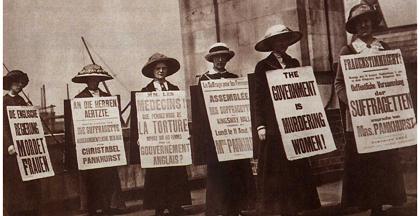
The Death of Emily Davison
On 4 June 1913 suffragette Emily Davison stepped in front of King George V’s horse, Anmer, at the Epsom Derby. She was trampled and died in hospital four days later. She is recognised as a hero and martyr for women’s rights, although most of her actions today would be considered terrorism.
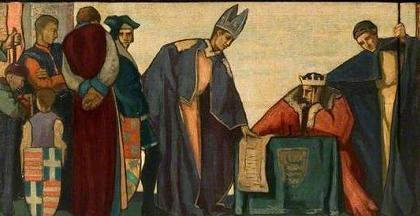
Magna Carta
Magna Carta (meaning 'Great Charter') has gone into myth as the foundation of modern human and civil rights, and of our current systems of government and law. Many look to its legend to give themselves authority legally or politically, and the last 33 British monarchs have sworn to uphold it.
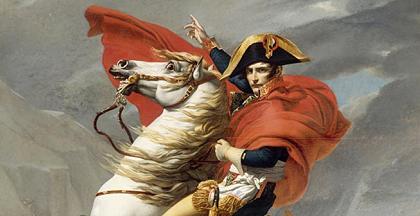
Was Napoleon the Bad Guy?
In Britain, Napoleon is seen as a villain, mainly remembered for overthrowing the government and for war. His reputation is such that a (disproven) neurosis is named after him – the ‘Napoleon complex’, which suggests all those of limited height act in an aggressive manner to compensate.
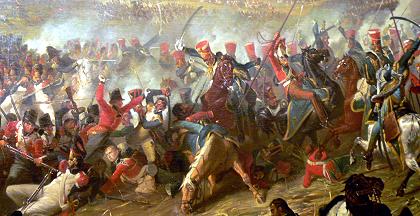
The Battle of Waterloo
In 1814, Napoleon Bonaparte abdicated the French throne and was exiled to the island of Elba in the Mediterranean. By February 1815 he'd escaped, thanks to the carelessness of his 'guard', his charisma, and his ability to discern information from his visitors, before marching on Paris against the newly installed Louis XVIII.
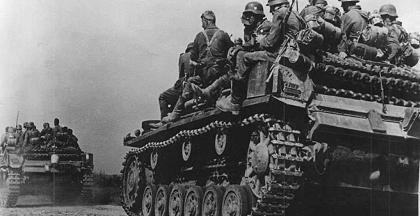
Operation Barbarossa: Invading the Soviet Union
On 22 June 1941 the Nazis launched Operation Barbarossa, the biggest invasion force in the history of warfare against their ally, the Soviet Union. The invasion date was planned for 15 May 1941, which would have given Hitler much more of the summer season to conquer Russia, but was delayed.
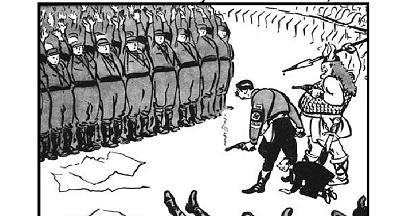
The Night of the Long Knives
Starting on the night of the 30 June 1934, the Nazis removed their political opponents and paramilitary supporters in a single purge in what became known as the Night of the Long Knives. Having gained political power in the 1933 election, Hitler needed to make sure his position was secure.