Debbie Kilroy
Writer at GetHistoryHaving read history at the University of Birmingham as an undergraduate, where I won the Kenrick Prize, I worked as a trouble-shooter in the public sector until I took a career break in 2009. Thereafter, I was able to pursue my love of history and turn it into a career, founding Get History in 2014 with the aim of bringing accessible yet high quality history-telling and debate to a wide audience. Since then, I have completed a Masters in Historical Studies at the University of Oxford, from which I received a distinction and the Kellogg College Community Engagement and Impact Award. As well as continuing to write for and expand Get History, I am now a freelance writer and historian. I have worked with Histories of the Unexpected and Inside History, and my article for Parliaments, Estates and Representation won the ICHRPI Emile Lousse essay prize (2019).
The Latest from Debbie Kilroy
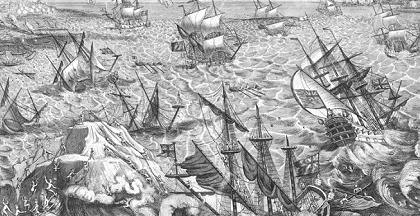
The Great Storm of 1703
On the night of 26 November 1703, what has been described as the worst storm in the history of the country hit Britain. Over the next eight hours, it reaped terrible damage across Wales and the south of England, and in its wake were thousands of trees blown down, fleets of ships destroyed, thousands of lives taken, and significant sums of money, in the form of goods, houses, churches, land and animals, washed away.
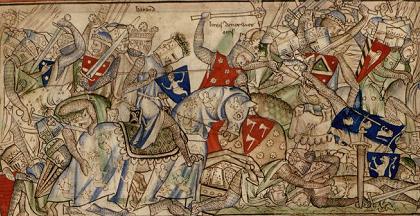
The Battle of Stamford Bridge
The year 1066 is remembered in Britain for just one battle: the Battle of Hastings. And why not? After all, it had a profound effect on England, and has been called the most important battle in English history. But its outcome might have been very different if not for a battle that happened under a month before: the Battle of Stamford Bridge.
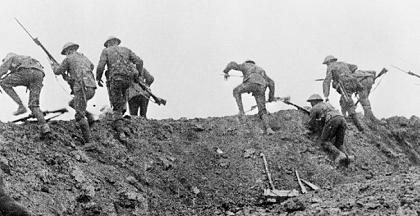
The Battle of the Somme
At 7.30 on 1 July 1916, as the whistles fell silent, men climbed out of their trenches and headed across No Man's Land, with the objective of reaching and taking the German lines. So started the Battle of the Somme, remembered as one of the bloodiest British battles of the First World War.
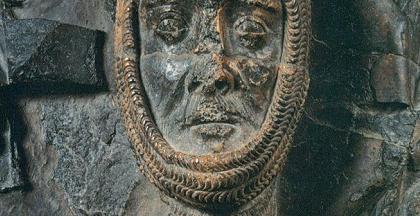
William Marshal: The story of a remarkable man
William Marshal was the landless younger son of a middle-ranking nobleman, who raised himself through the tournament circuit and serving five crowned kings, to become the de facto regent of England. He was the original celebrity, inspiration for films such as A Knight's Tale, and by his death was considered 'the greatest knight' in the world.
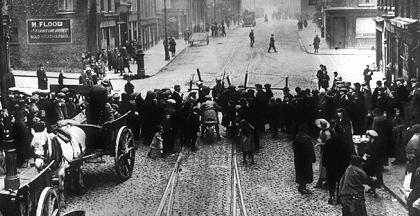
The Easter Rising, 1916
The Easter Rising of 1916 was one in a long line of attempts by Irish republicans to break free from British rule and declare an independent Irish Republic. A bloody and possibly foolhardy revolt, it was bloodily suppressed with far-reaching consequences for the Irish nation.
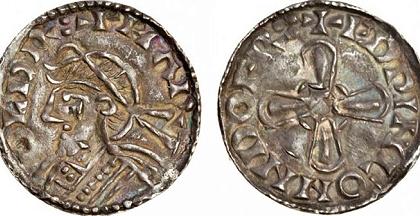
Harold Harefoot
Harold ruled briefly, from 1035 until 1040, and what has been recorded is often based as much on rumour, judgement and supposition as it is on fact. There are only two events of his short reign that are known about in any detail: his 'seizure' of power on the death of his father, and the blinding and subsequent death of his step-brother.