
Debbie Kilroy
Writer at GetHistoryHaving read history at the University of Birmingham as an undergraduate, where I won the Kenrick Prize, I worked as a trouble-shooter in the public sector until I took a career break in 2009. Thereafter, I was able to pursue my love of history and turn it into a career, founding Get History in 2014 with the aim of bringing accessible yet high quality history-telling and debate to a wide audience. Since then, I have completed a Masters in Historical Studies at the University of Oxford, from which I received a distinction and the Kellogg College Community Engagement and Impact Award. As well as continuing to write for and expand Get History, I am now a freelance writer and historian. I have worked with Histories of the Unexpected and Inside History, and my article for Parliaments, Estates and Representation won the ICHRPI Emile Lousse essay prize (2019).
The Latest from Debbie Kilroy
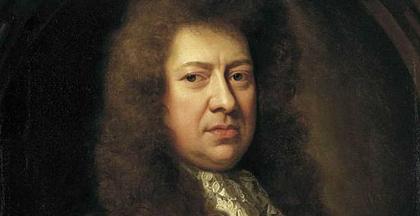
Peeping Sam? The Affairs of Samuel Pepys
Pepys’s diary is remarkably frank when it comes to his pursuit of love. Between 1660 and 1669 he recorded his daily life, including his interest in over twenty women who weren’t his wife, and much of what he wrote was so explicit that editors before the 1970s refused to publish it.


Mary Queen of Scots: Woman and Queen
Mary Queen of Scots is an enigma. For the last four hundred and fifty years she has been presented as a romantic heroine, a Catholic martyr, a weak and feeble female used as a pawn by scheming men, and a murderer and adulteress. But despite the amount of ink that has been spilt on her, no-one as yet has been able to create a fully-convincing portrait of this famous and controversial Scottish queen. Instead, we are left with a number of intriguing – and by-and-large unanswerable – questions.
-listing-main.jpg)
The Myth of the First World War
The myths of the ‘Great War’ are the foundation myths of the twentieth century, providing a frame of reference for understanding ourselves and our community. In Britain, the pervading myth is one of soldiers bravely sacrificing themselves in a futile war. It is the pity and the horror of war, and it is enduring because, emotionally, it is true.
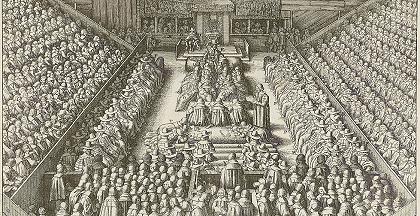
Late Tudor and Early Stuart Parliaments
That by the early 1640s parliament’s relationship with the king had become so oppositional it was unworkable is obvious, but what is less obvious is how it came to be so: had there been a ‘high road to civil war’, evident in the increasingly adversarial parliaments of Elizabeth I and James I? Or was the collapse of relations the result of a series of unfortunate events and personality clashes?
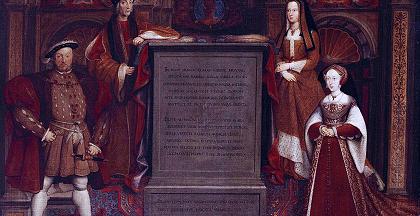
Henry VIII: An Introduction
Henry VIII could be called England’s most memorable king. Everyone has seen his image: tall, imposing, and rotund. Likewise, everyone knows that he had six wives, and that he divorced two of them, and executed a further two. He brought the Reformation to England, breaking from the Roman Church, creating the royal supremacy, and dissolving the monasteries. But behind these headlines, there are other facts, often surprising and neglected, that make Henry VIII a much more interesting man.
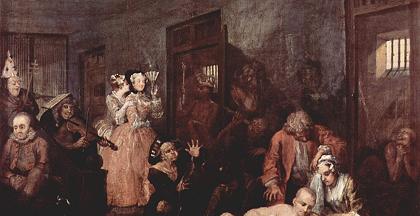
Bethlem: A Mental Place
Bethlem is a place so famous for chaos and confusion that its nickname, Bedlam, has entered the English language as a synonym for madness. But has its reputation been deserved, or has it been on the wrong end of morbid fascination and sensationalism?