
Debbie Kilroy
Writer at GetHistoryHaving read history at the University of Birmingham as an undergraduate, where I won the Kenrick Prize, I worked as a trouble-shooter in the public sector until I took a career break in 2009. Thereafter, I was able to pursue my love of history and turn it into a career, founding Get History in 2014 with the aim of bringing accessible yet high quality history-telling and debate to a wide audience. Since then, I have completed a Masters in Historical Studies at the University of Oxford, from which I received a distinction and the Kellogg College Community Engagement and Impact Award. As well as continuing to write for and expand Get History, I am now a freelance writer and historian. I have worked with Histories of the Unexpected and Inside History, and my article for Parliaments, Estates and Representation won the ICHRPI Emile Lousse essay prize (2019).
The Latest from Debbie Kilroy

Some Notes on Archaeology
Many historians think they don’t need to understand archaeology to understand history.

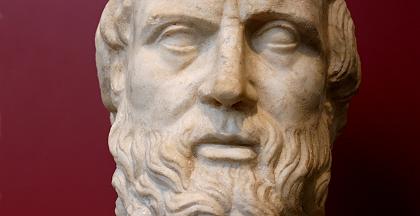
A Brief History of History
Key facts about history Our idea of history has changed over time, and has been influenced by many things.
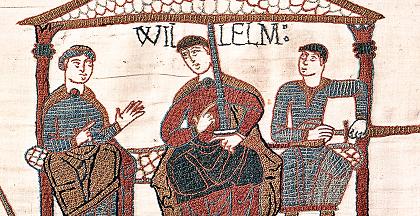
The Norman Conquest: Cataclysm or Continuity?
Without doubt, the Norman Conquest had an impact on England, but recently historians have stressed its continuity, questioning whether the invasion can be viewed as a cataclysm. After all, any incident claiming the description must have far-reaching consequences for the organisation of the country, its government, laws and institutions, and its economy.
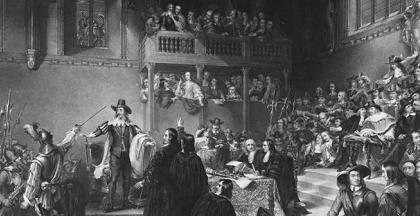
The Trial and Execution of Charles I
30 January 1649 was bitterly cold. It was enough to make Charles I, King of England, don two shirts: he didn't want the crowd to see him shivering as he was led to his place of execution. Charles' downfall had come about through unsuitable personality traits, bad decisions made in difficult circumstances, and disagreements with powerful men and their factions.
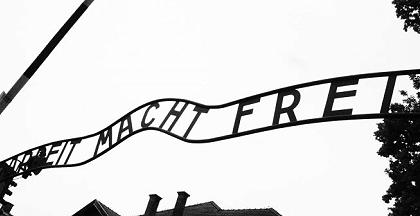
The Wannsee Conference
The Wannsee Conference of 20 January 1942, was a cross-departmental meeting of the Nazi government. Its goal was brutally and clinically simple: to organise the final solution to the Jewish question.
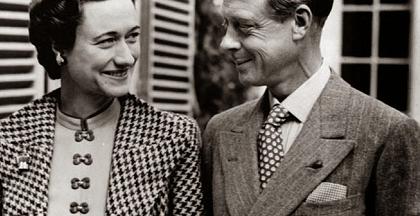
Edward VIII and the Abdication Crisis
On 11 December 1936, Edward VIII abdicated after spending just 11 months on the throne. His reason was simple: he wanted to marry the socially-unacceptable love of his life, Wallis Simpson. This left a trail of intrigue, rumour and recrimination that still lingers on today.