
Debbie Kilroy
Writer at GetHistoryHaving read history at the University of Birmingham as an undergraduate, where I won the Kenrick Prize, I worked as a trouble-shooter in the public sector until I took a career break in 2009. Thereafter, I was able to pursue my love of history and turn it into a career, founding Get History in 2014 with the aim of bringing accessible yet high quality history-telling and debate to a wide audience. Since then, I have completed a Masters in Historical Studies at the University of Oxford, from which I received a distinction and the Kellogg College Community Engagement and Impact Award. As well as continuing to write for and expand Get History, I am now a freelance writer and historian. I have worked with Histories of the Unexpected and Inside History, and my article for Parliaments, Estates and Representation won the ICHRPI Emile Lousse essay prize (2019).
The Latest from Debbie Kilroy
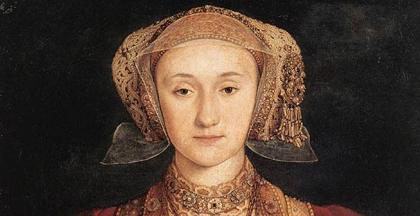
Anne of Cleves: Stinky and Ugly?
On 9 July 1540, Henry VIII had his marriage to his fourth wife, Anne of Cleves, annulled after just six months of marriage. Following the death of his favourite wife Jane Seymour,and under the advice of Thomas Cromwell, Henry had set about finding a new and desirable bride.

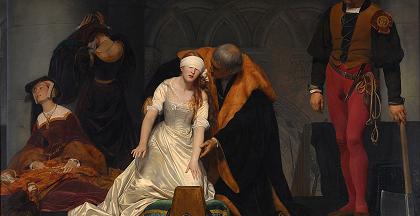
The Rise and Fall of Lady Jane Grey
On 10 July 1553, four days after the death of her cousin Edward VI, Lady Jane Grey became queen of England. It would be short lived: within nine days, she would step down and be placed in the Tower under charges of treason. History has painted Jane as a weak female forced into taking the rightful place of Mary.
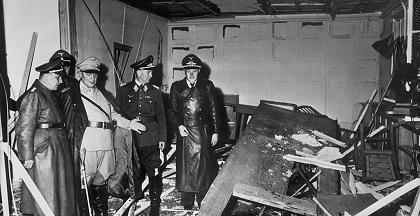
The 20 July Bomb Plot
On 20 July 1944, Claus von Stauffenberg entered the conference room at the Wolf’s Lair in Rastenburg, East Prussia, carrying a briefcase with a primed bomb. Shortly after the start of the meeting, he received an urgent telephone call and excused himself, leaving the briefcase on the floor by Hitler.
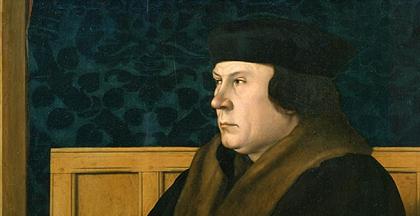
Thomas Cromwell: A Tudor Villain?
Thomas Cromwell was the infamous adviser to Henry VIII. Born around 1485, he was executed without trial on 28 July 1540 for heresy and treason. Down through history, he has been viewed as a cynical, Machiavellian upstart, who drove through reform for his own gain.
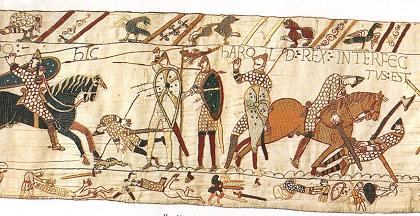
The Battle of Hastings
The Battle of Hastings is considered to be one of the most important battles of England's history. Often taken as the definitive point when England stopped being Anglo-Saxon and instead became Norman - with all the associated changes in government and culture - it was in fact long-lasting, hard-fought and visceral. And it was by no means a foregone conclusion.

The Stone Age: an Introduction
The Stone Age is the name given for human prehistory (that happened before history, that’s not written down) from the first humans who used tools through to the use of metal. It is called the Stone Age because much of the physical evidence left behind by humans (apart from bones and some monuments) is stone tools.