All History Articles
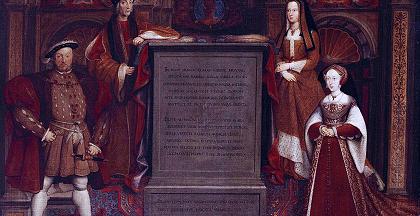
Henry VIII: An Introduction
Henry VIII could be called England’s most memorable king. Everyone has seen his image: tall, imposing, and rotund. Likewise, everyone knows that he had six wives, and that he divorced two of them, and executed a further two. He brought the Reformation to England, breaking from the Roman Church, creating the royal supremacy, and dissolving the monasteries. But behind these headlines, there are other facts, often surprising and neglected, that make Henry VIII a much more interesting man.

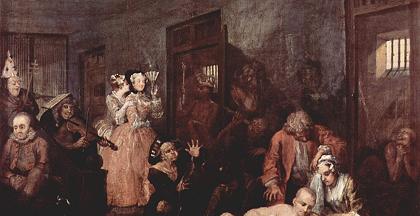
Bethlem: A Mental Place
Bethlem is a place so famous for chaos and confusion that its nickname, Bedlam, has entered the English language as a synonym for madness. But has its reputation been deserved, or has it been on the wrong end of morbid fascination and sensationalism?
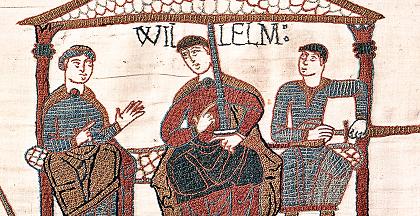
The Norman Conquest: Cataclysm or Continuity?
Without doubt, the Norman Conquest had an impact on England, but recently historians have stressed its continuity, questioning whether the invasion can be viewed as a cataclysm. After all, any incident claiming the description must have far-reaching consequences for the organisation of the country, its government, laws and institutions, and its economy.
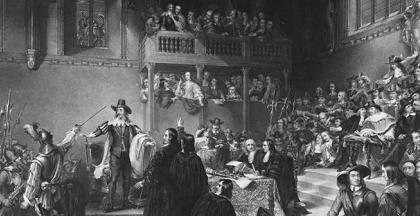
The Trial and Execution of Charles I
30 January 1649 was bitterly cold. It was enough to make Charles I, King of England, don two shirts: he didn't want the crowd to see him shivering as he was led to his place of execution. Charles' downfall had come about through unsuitable personality traits, bad decisions made in difficult circumstances, and disagreements with powerful men and their factions.
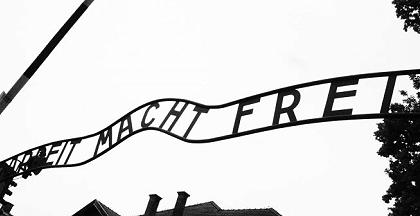
The Wannsee Conference
The Wannsee Conference of 20 January 1942, was a cross-departmental meeting of the Nazi government. Its goal was brutally and clinically simple: to organise the final solution to the Jewish question.
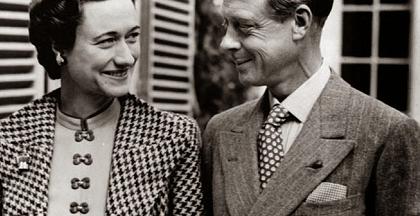
Edward VIII and the Abdication Crisis
On 11 December 1936, Edward VIII abdicated after spending just 11 months on the throne. His reason was simple: he wanted to marry the socially-unacceptable love of his life, Wallis Simpson. This left a trail of intrigue, rumour and recrimination that still lingers on today.
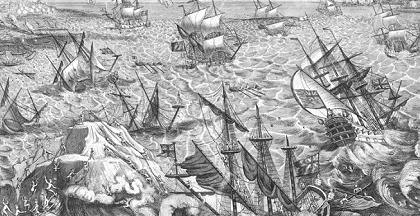
The Great Storm of 1703
On the night of 26 November 1703, what has been described as the worst storm in the history of the country hit Britain. Over the next eight hours, it reaped terrible damage across Wales and the south of England, and in its wake were thousands of trees blown down, fleets of ships destroyed, thousands of lives taken, and significant sums of money, in the form of goods, houses, churches, land and animals, washed away.
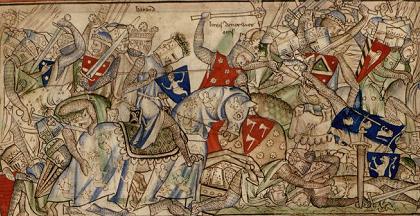
The Battle of Stamford Bridge
The year 1066 is remembered in Britain for just one battle: the Battle of Hastings. And why not? After all, it had a profound effect on England, and has been called the most important battle in English history. But its outcome might have been very different if not for a battle that happened under a month before: the Battle of Stamford Bridge.
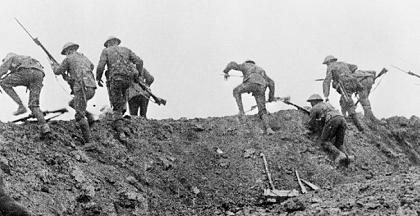
The Battle of the Somme
At 7.30 on 1 July 1916, as the whistles fell silent, men climbed out of their trenches and headed across No Man's Land, with the objective of reaching and taking the German lines. So started the Battle of the Somme, remembered as one of the bloodiest British battles of the First World War.
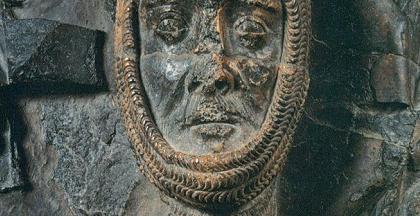
William Marshal: The story of a remarkable man
William Marshal was the landless younger son of a middle-ranking nobleman, who raised himself through the tournament circuit and serving five crowned kings, to become the de facto regent of England. He was the original celebrity, inspiration for films such as A Knight's Tale, and by his death was considered 'the greatest knight' in the world.