Latest Reviews
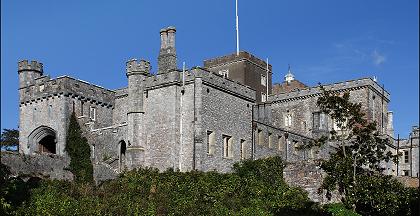
Powderham Castle, Devon
Work began on Powderham Castle by the Courtenay family in 1391, on land that had been in the family (on the mother, Margaret de Bohun’s, side) since at least the Domesday Book. The senior branch of the Courtenay family were the Earls of Devon, seated at Tiverton Castle, who lost their title (twice) under the Tudors.

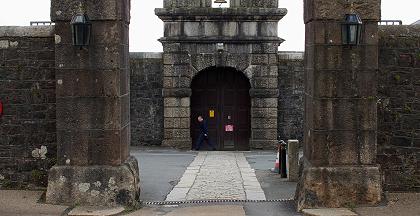
Dartmoor Prison Museum, Devon
Dartmoor prison, in one of the most inaccessible parts of southern England, was initially built to house prisoners of war during the Napoleonic Wars. It then held American prisoners from the 1812 War, before closing in 1816. It wasn’t until transportation of criminals ceased in the Victorian period that the prison reopened in 1850, this time to house convicts. It has been a penal prison ever since.
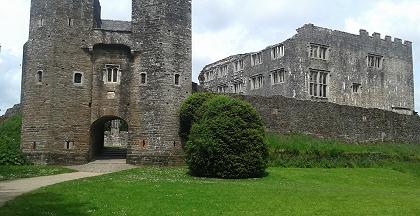
Berry Pomeroy Castle, Devon
Berry Pomeroy Castle is a late medieval castle owned and managed by English Heritage. Its original walls were built in the late 15th century as one of the last traditional personal castles, and it was occupied until falling out of use in the 17th century by first the Pomeroys and then the Seymours.
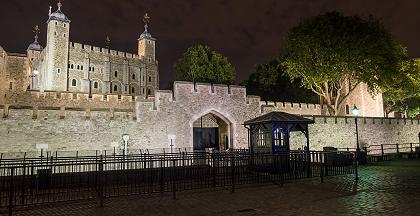
The Tower of London
So much history, and so much to fascinate, has centred on the Tower of London. Built by William the Conqueror just outside the City of London, the Tower was both royal home and fortress. It has played host, and prison (and sometimes both) to some of the most famous names in history.

RAF Museum, Cosford, Shropshire
This RAF-run museum houses a large collection of aeroplanes and linked items, such as engines, and includes some historically significant pieces, like the world’s oldest spitfire. It has good facilities, including car-parking, a shop and a café, and is free to enter. Furthermore, it has good access and disabled facilities and, at least during half-term, activities aimed at children.
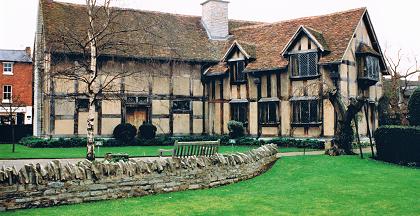
Shakespeare's Birthplace, Stratford-upon-Avon
Once the largest house on Henley Street, Shakespeare’s birthplace was probably given as part of Mary Arden’s dowry upon her marriage to John Shakespeare, a glover who was later to become mayor of Stratford. Upon John’s death, William inherited it and turned most of it into a tavern, called the Swan and Maidenhead.
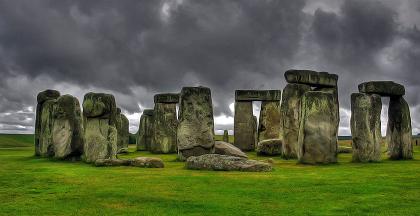
Stonehenge, Wiltshire
When I was living just south of Devizes, I used to love dropping by Stonehenge on the way past to London, or Salisbury, or wherever. It was easy to park the car and amble across the road to look through the chain fence, or take a stroll round the landscape.
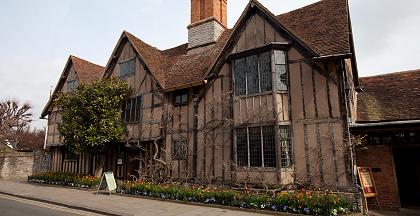
Hall's Croft, Stratford-upon-Avon
Hall's Croft was the house of Shakespeare’s daughter, Susanna, and her husband, Dr John Hall. This Tudor house has main rooms which are decorated and furnished as they would have been during Susanna’s time, but with some rooms on the first floor given over to exhibition space.
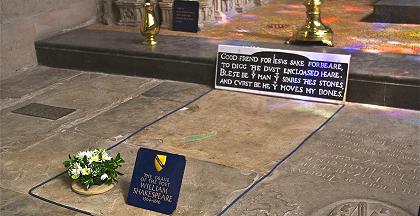
Shakespeare's Grave, Stratford-upon-Avon
Shakespeare is one of the best known, and loved, playwrights of the Tudor (or indeed any) age, and Stratford has become synonymous with his name. So, a visit to Stratford-upon-Avon really should include a visit to the great man’s grave. Shakespeare's grave can be found near the altar in Holy Trinity Church, and visitors can expect to be charged a £2 entrance fee to get into the church to see it.
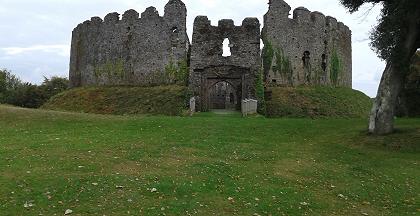
Restormel Castle, Cornwall
Restormel Castle in Lostwithiel was built around 1100, but what we see today mainly dates from the 13th century. It was owned by the Cardinhams, who supported de Montfort during the Second Barons’ War, but the Castle fell into the hands of Henry III’s brother, Richard of Cornwall, after Sir Ralph Arundell ‘claimed’ it in 1265.