
There is an old joke, treasured as a postgrad, that asks 'How many Oxford dons does it take to change a lightbulb?' The answer (in horrified voice): Change?! Whether this remains true is a matter for debate - one could even say it's academic - but in certain times it could, perhaps, have been taken as representative for anything related to academia, and no more so than for the discipline of history. No longer.
Chalke History Festival epitomizes the public face of history. Indeed, it has been described as the best of its kind in Europe. Not only does it have brilliant speakers discussing the hottest books and enduringly fascinating subjects, providing a veritable feast for the mind, but it is also sensory: there are loud bangs, visual displays, even cooking demonstrations that will tease and tantalize both the taste buds and the olfactory senses. This has always been its way. When booking a visit, one knows one will be informed, entertained, and delighted.
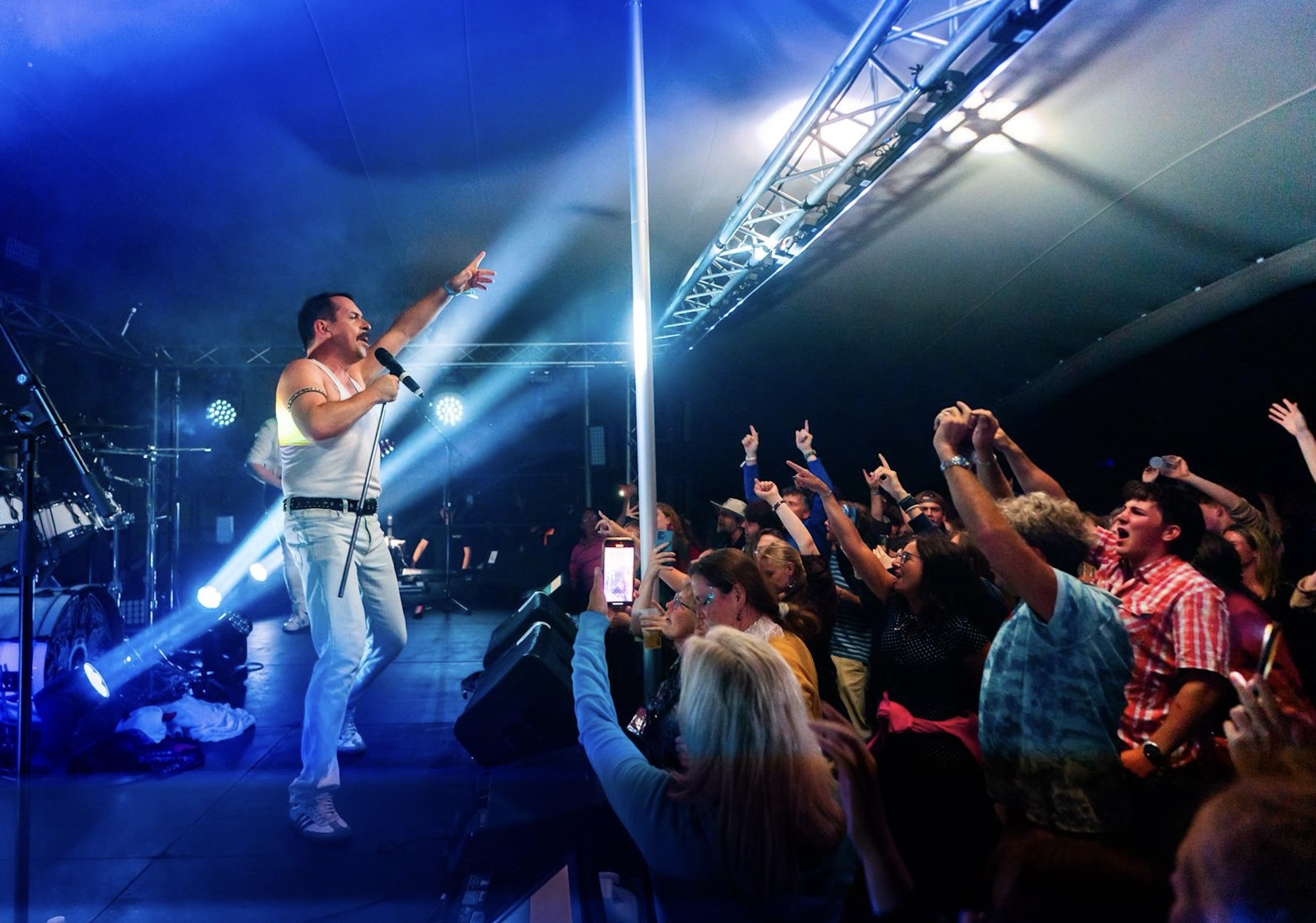
But for the last several years, the organizers have been slowly introducing new things. First, they drip-fed the regulars with an expanded selection of topics that now include everything from politics and current affairs to exploration and architecture. Next, it broadened the evening music programme. New stages were added. Then there was the name change and the modernization of publicity. This year, 2025, has provided perhaps the biggest noticeable change since the festival moved location in 2017, as entry, to both the site itself and the individual talks, was completely reformed. Day ticket prices, like the temperature, soared, but the talks were all - except for Al Murray's Pub Landlord, which raised almost £8,000 for Finley's Trust charity - free. It seemed all very new, but was it a step too far?
The new ticketing system worked surprisingly well. In trepidation did we imagine a free for all, crowds of punters pushing and shoving for space in a tent, trampling on heads as they raced for a seat in scenes redolent of the worst of the Black Friday sales crushes. Hats and wine glasses would fly; elbows and high heels would break bones; programmes would be rolled up and turned into deadly weapons; umbrellas, otherwise superfluous under the scorching summer sun, would gouge out eyes. The hysteria of Beatlemania would have been as a quiet walk in the park next to frenzy of the fight for seats at Chalke.
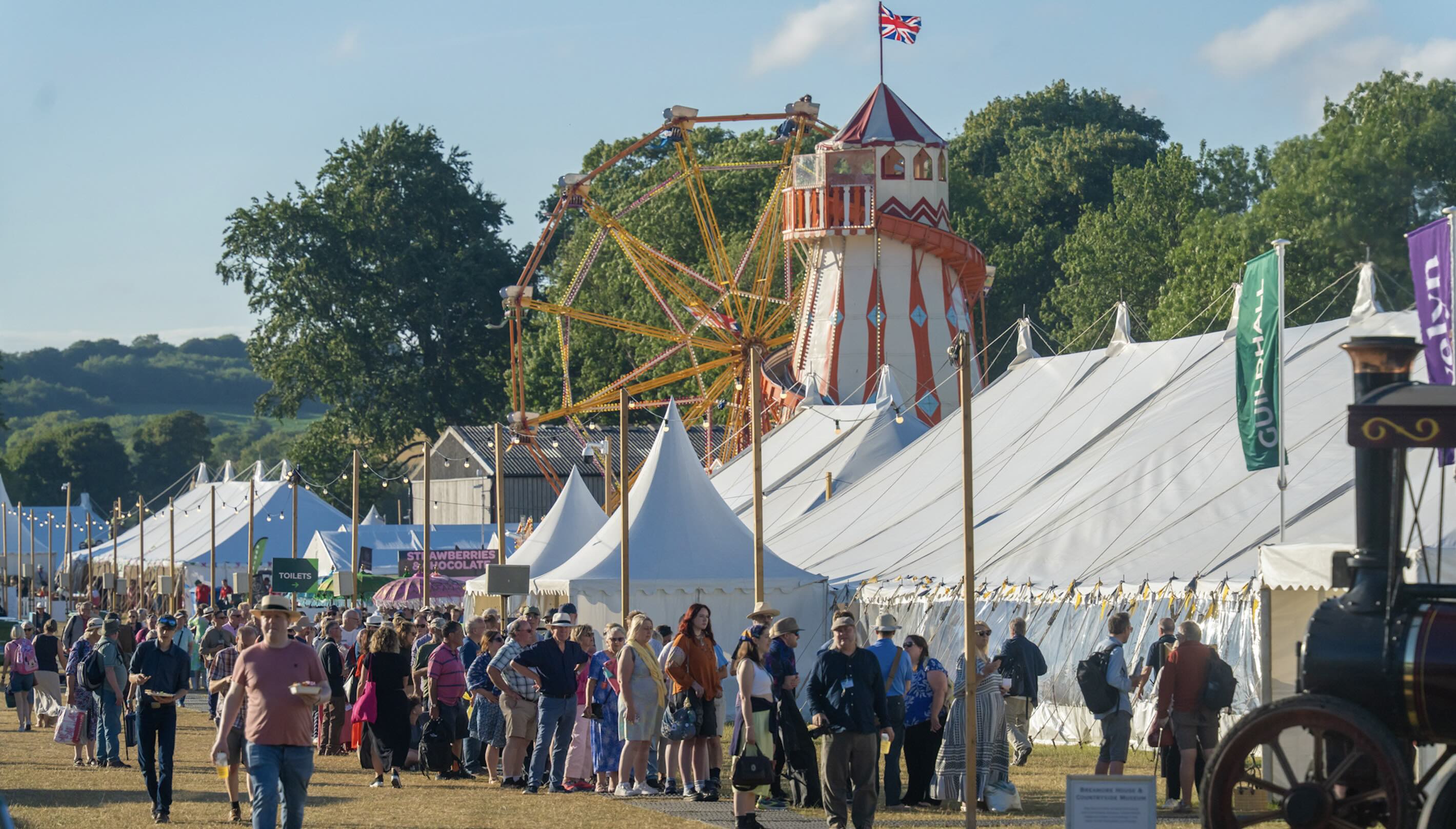
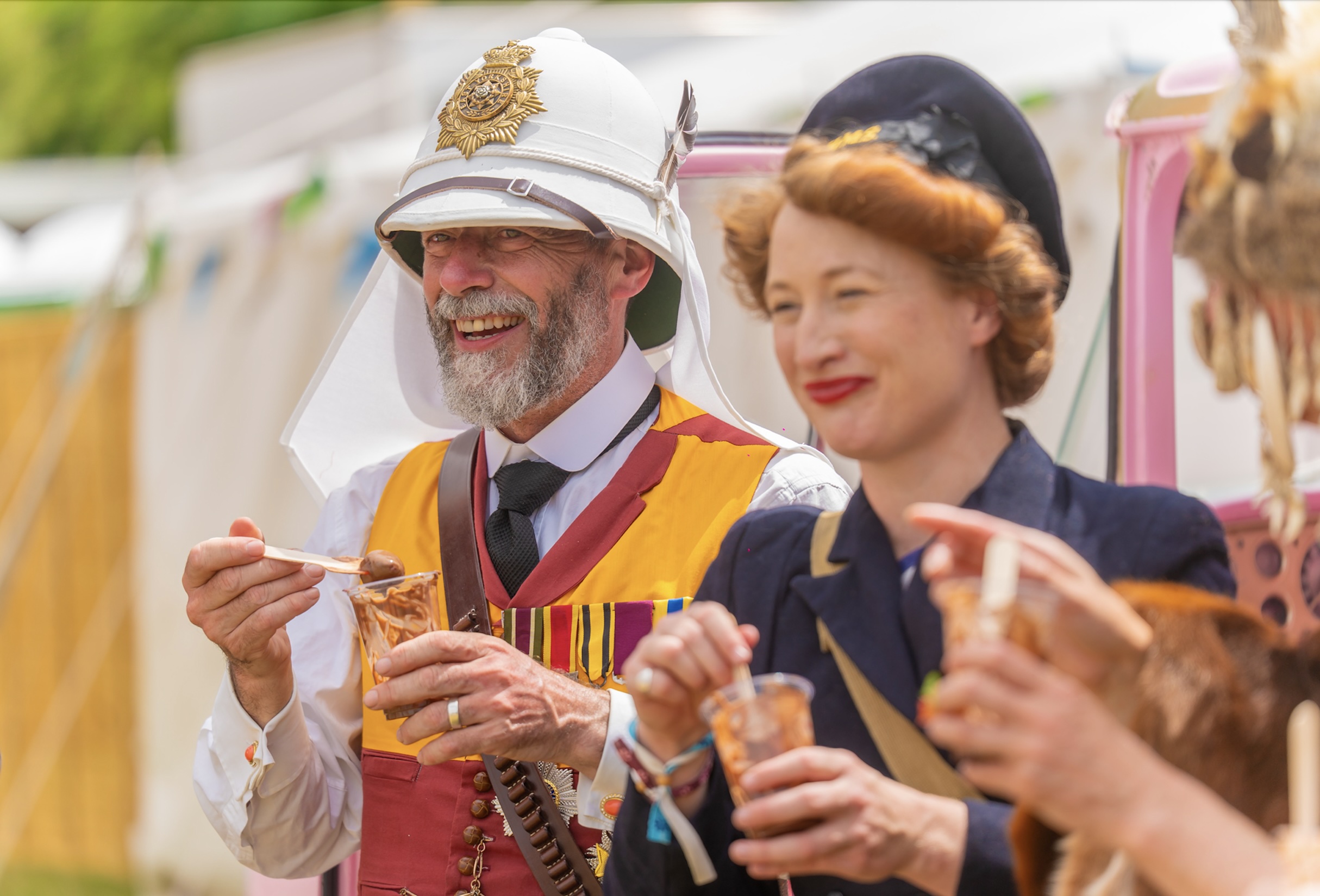
We should have known better. Not only is Chalke far more civilized than that - it is not, after all, the neighbouring festival that shall remain nameless - but the arrangement worked superbly. The tents were, indeed, full, though no bouts of fisticuffs were witnessed. For the organizers had been clever enough to plan for the apocalyptic scenario envisioned above. Overflow areas, with live streaming and benches galore, surrounded each tent. For those who had forgotten their sunblock - or listened to the weather forecast rather than remembering that Chalke week seems always to be blessed by the weather gods - there was even somewhere to sit in the shade where the tickling breeze could be appreciated to the full. Indeed, there is nothing more splendid than licking an ice cream or nibbling on strawberries drenched in chocolate on a summer's day, the radiance of the sun matched only by the warm inner glow of having a lovely time and expanding one's horizons, absorbing Vitamin D and knowledge in equal measure.
The cost was, perhaps, a different issue. With a full-week ticket costing £200 per adult (half price for students and free to children under 16), a weekend pass £145, and day entry £58, on the face of it, it seemed a bit steep when costs of living are rising for audiences as well as organizers. But it doesn't take a mathematical genius to do a few calculations: last year, entrance to the festival cost about half the price of this year (apart from for children, who had to buy tickets as well), but then talks had an additional charge of anywhere up to £20 each. A family of four attending on Saturday last year, and seeing two talks, would have spent about £200. The same experience this year would have cost £116.
So, it was a blessing for the audiences, but what about the speakers? The new arrangements were a boon for them, too. With everything included in the price, there was no need to be selective about which talks to watch and which to ignore, so the average visitor saw more, heard more, and learnt more than in any other year. They tried new things, and they too realised that variety is the spice of life. Who knew, for example, that the history of toilets could be so fascinating? I certainly didn't, until I took a chance on it. And there were scores of talks like that, on monsters, and criminals, and taming elephants. What better way, then, for new and up-and-coming historians, who can struggle at festivals to attract the big crowds that the likes of Dan Jones or Alice Loxton will inevitably pull in, to get themselves and their work known than by making it freely accessible? Equally, it was possible for those headline speakers - Tom Holland, Peter Frankopan, Anthony Scaramucci, to name but a few - to speak to everybody who wanted to listen. Perfect!

Chalke, of course, is not just about the talks, and those preferring a more 'free-range' experience were not neglected. The favourites were all there - History's Maid, Wizzo's Rip-Roaring History, the History Maker, and Foreign Field - performing to huge crowds. Living historians were always on hand to share their expertise and enthusiasm. The speedy Ferris wheel maybe provided too many thrills for those partaking in the 'delights' of day-drinking at the Chalke Valley Tap, but was loved by those of a younger, stronger constitution. The mouth-watering array of food stalls dotted around the site tempted the gastronomes. And theatre lovers were treated with a rousing production of Shakespeare's Henry V.
Once again, then, Chalke History Festival has found the perfect balance. It nods backwards while pushing forwards. It brings new ideas to (sometimes) ancient subjects. It entertains as it enlightens. And, when the time comes for the gates to close on another perfect week, it makes everyone eager for another year.
Chalke History Festival returns in 2026, between 22 and 28 June. Keep an eye on updates here.
Photos © Chalke History Festival.